
A Winning Tax Season: How the Working Families Tax Cuts Are Putting More Money Back in Your Pocket
The 2025 tax season is shaping up to be one of the most significant for hardworking taxpayers in history, thanks to the Working Families Tax Cuts Act, legislation I was proud to help deliver for the people of Iowa.
This much-needed tax relief delivers real results for working Americans, middle-class families, senior citizens, and tipped and overtime workers, for everyone who is tired of paying more in taxes while getting less in return from their government.
This shouldn’t be controversial. I firmly believe that YOU, the American taxpayer, should keep more of the money you work so hard to earn. I’m proud to have delivered these tax cuts, and I will continue fighting every day to lower the cost of living, whether in the grocery aisle, at the gas pump, or when trying to buy or rent a home. You deserve a fair shot at the American Dream without government getting in the way.
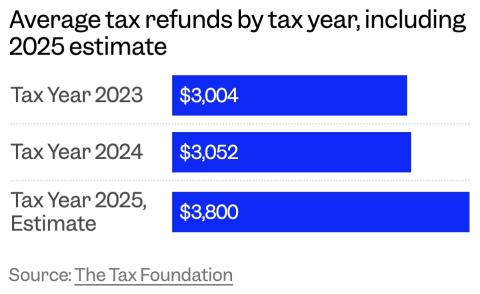
So, as you begin filing your returns, you may notice refunds are much bigger this year, that is because this historic legislation is delivering the biggest tax refund season ever, with average refunds projected to rise by $1,000 or more this year due to its transformative policies which I will help guide you through on this page.
New Changes to the Tax Code
Increased Standard Deduction
The Standard Deduction increased to $15,750 for individuals, $23,625 for heads of households, and $31,500 for married couples for tax year 2025.
Tax Deduction Seniors:
A new bonus deduction was created for seniors aged 65 and older—$6,000 for individuals with income up to $75,000 and $12,000 for married couples earning up to $150,000, eliminating their tax burden on Social Security benefits. The amount of the deduction decreases as income increases.
As a result, 51 million seniors receiving Social Security (an estimated 88%) will pay no tax on those benefits.
No Tax on Tips
Tipped workers, will receive significant tax relief. The maximum annual deduction is $25,000, which phases out for taxpayers with modified adjusted gross income over $150,000 ($300,000 for joint filers).
No Tax on Overtime Pay
Individuals who receive qualified overtime pay may deduct the pay that exceeds their regular rate of pay (generally, the “half” portion of “time-and-a-half” compensation) that is required by the Fair Labor Standards Act and reported on a Form W-2, Form 1099, or other specified statement furnished to the individual.
The maximum annual deduction is $12,500 ($25,000 for joint filers). The deduction phases out for taxpayers with modified adjusted gross income over $150,000 ($300,000 for joint filers). The deduction is available for both itemizing and non-itemizing taxpayers.
Putting Working Families First
The Child Tax Credit increased up to $2,200 per child, if your annual income is not more than $200,000 ($400,000 if filing a joint return).
Trump Accounts were also created for newborn babies and feature a contribution of $1,000 for every American child born between January 1, 2025 and December 31, 2028. The account is fully in the child’s name, and the parent/guardian is the sole custodian until the child turns 18. No contributions are necessary—but you can deposit up to $5,000 per year to maximize growth.
The legislation expands 529 education savings accounts, supports scholarships and school choice.
Tax Deduction for American Manufactured Vehicles
Individuals may deduct up to a maximum annual deduction of $10,000 in interest paid on a loan used to purchase a qualified American manufactured vehicle for personal use. The deduction phases out for taxpayers with modified adjusted gross income over $100,000 ($200,000 for joint filers).
The vehicle must have undergone final assembly in the United States and the loan must have originated after December 31, 2024.